

- Homepage
- >Summer schools
- >Research in Medical Neurosciences
- >Course descriptions
Simulation trainingEmmanuel Rineau
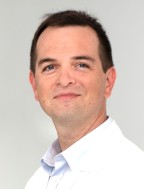 During this Summer School workshop, Prof. Emmanuel Rineau will introduce students to healthcare simulation, its value for clinical practice and research, and present the various simulation techniques available at the All’Sims Simulation Centre. Students will practice on mannequins and learn the basics of cardiopulmonary resuscitation, venous catheter insertion, and lumbar puncture.
Prof. Emmanuel Rineau is a physician and academic researcher in anesthesiology and critical care at the University of Angers, and he works in the cardiothoracic unit of the Department of Anesthesiology and Critical Care at Angers University Hospital. His research focuses on the management of perioperative anemia and iron deficiency, as well as on the impact of pain management on postoperative recovery.
MRI in research workshop and visitPauline Ali and Matthieu Labriffe
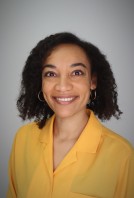
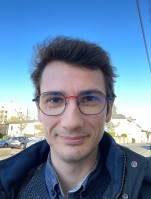 During this MRI workshop, students will have the opportunity to tour the MRI scanner facility, guided by a radiologist specializing in neurological diseases. The session will also include an introduction to brain imaging research, covering key steps such as preprocessing for voxel-based morphometry using automated software, as well as techniques for visualizing brain MRI scans and analyzing results.
Pauline Ali, MD, PhD, is a specialist in Physical and Rehabilitation Medicine with a focus on neurological disorders. Clinically, she works in a rehabilitation unit for brain-injured patients. She completed her PhD in December 2024. Her research investigates motor-cognitive interactions, particularly using dual-task gait as a predictive tool for cognitive decline in patients with mild cognitive impairment. She also completed an international research fellowship with Prof. Manuel Montero Odasso at Western University (Canada), a leader in falls and cognition research.
Matthieu Labriffe, MD, is a radiologist specializing in neuroimaging and head and neck imaging. He works in the Department of Radiology at Angers University Hospital. He completed his medical thesis on the study of the central control of gait using functional MRI.
Introduction to Neuroinflammation: From Pathophysiology to Experimental ApproachesNail Benallegue and Charline Miot
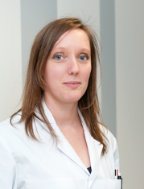
 This workshop provides an overview of the fundamental mechanisms underlying neuroinflammation, with a focus on immune–central nervous system interactions in both physiological and pathological conditions. Key concepts will include innate and adaptive immune responses in the CNS, the role of the blood–brain barrier, and major neuroinflammatory disorders (e.g., demyelinating diseases, autoimmune encephalitis).
The session will be complemented by an on-site visit to an immunology laboratory, where participants will be introduced to core experimental techniques used in translational neuroimmunology. Particular emphasis will be placed on flow cytometry, including its principles, applications, and role in immune cell phenotyping.
Learning objectives:
- Understand the key cellular and molecular mechanisms of neuroinflammation
- Identify major neuroinflammatory diseases and their immunopathological features
- Gain insight into laboratory-based approaches used in neuroimmunology research
- Understand the basic principles and applications of flow cytometry
Dr Nail Benallegue is a Pediatric Neurologist specialized in neuroinflammatory disorders of the central nervous system in children. After completing medical studies at the University of Angers, he pursued a residency in Pediatrics and Pediatric Neurology at the University Hospital of Nantes. Currently serving as Associate Professor in Pediatric Neurology in Angers, he combines clinical expertise with a strong background in translational research in neuroimmunology. His current research interests include clinical presentation, pathophysiology, and therapeutic management of MOG-associated disorders and pediatric multiple sclerosis.
Dr Charline Miot earned her MD in 2015 after a pediatric residency, specializing in pediatric immunology (primary immunodeficiencies) and pediatric oncology. Concurrently, she pursued a PhD in fundamental immunology, which she completed in 2013. She then pursued her clinical training as a senior fellow in pediatric oncology and biological immunology, followed by a postdoctoral fellowship at the Childrens’ Hospital of Philadelphia, focusing on RAG proteins and their role in lymphoid ontogeny. Since returning to France in 2020, she has been holding a position as an Associate Professor in Immunology and Pediatrics at the University Hospital of Angers. Her research focuses on primary immunodeficiencies and the immunopathology of pediatric acute leukemias.
Bioinformatics workshopSalim Khiati
 How to identify precise insights into gene or drug functions using database? Let’s dive into the NCI60, GTEx Portal, and CCLE databases to gain a sense of this approach.
Following his PhD in biochemistry at the University of Bordeaux II, Salim Khiati worked 3 years as postdoctoral fellowship at the NIH in Bethesda, USA. In 2015, he joined the MitoLab team within the MitoVasc lab in Angers. Currently, as an assistant professor, his research centers on deciphering the functions of mitochondrial genes, particularly mitochondrial cancer-testis antigens (mitoCTAs), utilizing a combination of bioinformatics and experimental approaches (PMID: 34056600, PMID: 33220498, PMID: 35189384).
Cell imaging experimentsArnaud Chevrollier
 Participants will visit the imaging platform to explore various technological approaches, including electron microscopy, confocal microscopy, and super-resolution (SR). They will also take part in an experimental application involving fluorescent labeling of neuronal cells and SR-dSTORM acquisition.
Arnaud Chevrollier is a professor in biochemistry and bioinformatics at the Technological Institute in Medical Bio-engineering of the University of Angers. He is a research member of MitoVasc laboratory. He dedicated 20 years of research on physiopathological evaluation of mitochondrial rare diseases related to mitochondrial dynamics, by focusing on mitochondrial structure function relationships. He implemented and performed fluorescent super resolution microscopy in Angers. Arnaud Chevrollier is in charge of the SCIAM microscopy facility.
Anatomy virtual immersionFlorian Bernard
-2_144x144.jpg) This workshop will offer an interactive and innovative approach of neuroanatomy. Students will have the opportunity to study the central nervous system using the AKIVI platform. This interactive class will link fundamental morphological anatomy with its clinical applications.
This workshop will offer an interactive and innovative approach of neuroanatomy. Students will have the opportunity to study the central nervous system using the AKIVI platform. This interactive class will link fundamental morphological anatomy with its clinical applications.
Dr Florian Bernard is a neurosurgeon specializing in skull base surgery and vascular neurosurgery. He also holds a PhD in functional anatomy and virtual reality, and is a researcher within the CRCINA (INSERM U1232). Dr Florian Bernard is deeply involved in innovative teaching at the University of Angers. He created AKIVI (Anatomical Knowledge In Virtual immersion), an application for studying anatomy.
Electrophysiology-EEGPatrick Van Bogaert et Antoine Jamin
 This workshop introduces epilepsy, a neurological disorder characterized by abnormal brain electrical activity, and highlights the critical role of electroencephalography (EEG) in its diagnosis. After covering the basics of seizures and EEG principles, we will illustrate these concepts with a case study on epileptic source localization. The goal is to bridge theory and practice for a deeper understanding of modern diagnostic tools in epilepsy.
Prof. Patrick Van Bogaert headed the neuropediatric unit at Erasme Hospital (Brussels) from 2000 to 2016 and was Professor of Neuropediatric at the Université Libre de Bruxelles during the same period. Since 2016, he has been a University Professor and Hospital Practitioner at the University of Angers and Angers University Hospital. He is affiliated with the ISISV team at LARIS and heads the pediatric neurology and neurosurgery unit. His main research focus is epilepsy, with work focusing in particular on the clinical and genetic characterization of certain rare forms of epilepsy, the pathophysiology of certain epileptic encephalopathies in children using functional brain imaging, the localization of epileptic sources in pre-surgical focal epilepsies using magnetoencephalography and electroencephalography, and the detection of epileptic seizures on scalp EEG using artificial intelligence.
Antoine Jamin received an engineering degree, an MSc diploma and a thesis in signal, image and information processing. He joined the neuro-pediatric department of the University Hospital of Angers as a research engineer in charge of data processing. During his research career, he has worked on different types of signals (medical and non-medical) and images (ultrasound and MRI). He has also published the results of his work and two state-of-the-art papers at international conferences (IEEE, IPTA, EMBC, etc.) and journals (Medical Physics, Medical & Biological Engineering & Computing, Entropy, etc.). He is currently working on EEG and MRI signal analysis for epileptic source localization, interictal epileptic network characterization, and resting-state connectivity analysis.
Flow Cytometry in Practice: Data Analysis and InterpretationNail Benallegue and Charline Miot
This hands-on workshop focuses on the practical analysis and interpretation of flow cytometry data in immunological research. Participants will work with real datasets and be guided through the key steps of analysis, including gating strategies, identification of immune cell populations, and interpretation of results. The session will emphasize methodological rigor and common pitfalls in cytometry data analysis, with a focus on applications relevant to neuroinflammation and clinical research.
Learning objectives:
- Understand standard workflows for flow cytometry data analysis
- Apply gating strategies to identify major immune cell subsets
- Interpret cytometry outputs in a biologically meaningful way
- Recognize common technical and analytical pitfalls
Neuropathology and NeuroanatomyPhilippe Codron
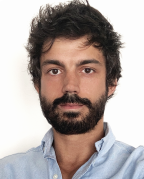 In this neuroanatomy workshop, we will examine the human brain using postmortem samples from the neuropathology laboratory in Angers. We will study the brain’s external and internal structures and their connections to neurological functions.
Prof. Philippe Codron obtained his MD in 2016, focusing on the diagnosis and management of patients suffering from neurovascular pathologies, peripheral neuropathies and motor neuron diseases. He continued his training with a 3-year PhD, shared between the University of Angers (France) and Laval University (Canada), where he carried out research projects on the mechanisms of neurodegeneration in amyotrophic lateral sclerosis, with a particular focus on neuropathology and the TDP-43 protein. Appointed full Professor in 2025, Philippe Codron carries clinical, research and teaching activities in the fields of neurology, neuropathology, neuroscience and innovation.
